Veneers for stained or discolored teeth
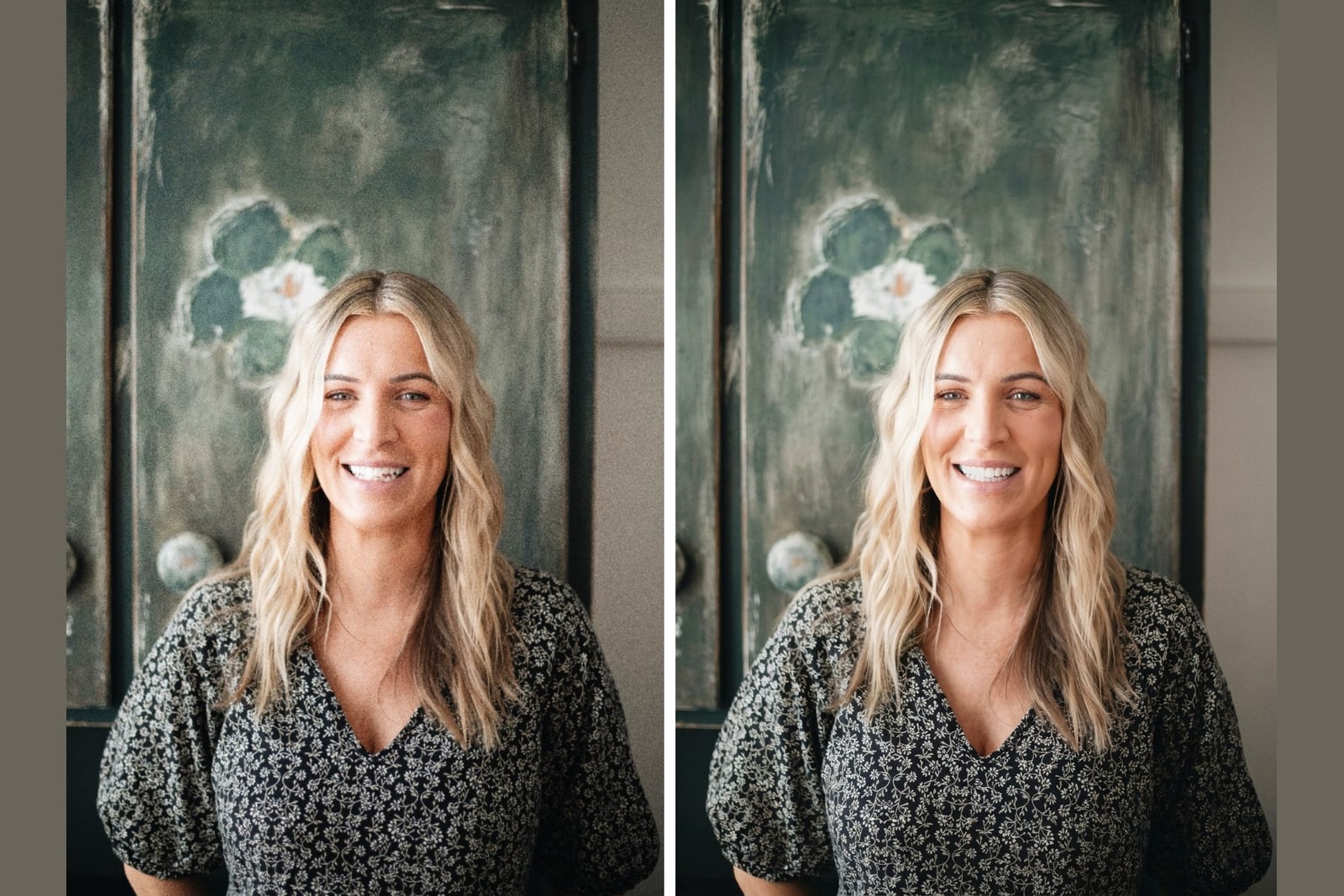
Veneers cover stained or discolored teeth by placing a thin shell over the front surface, so the new color is fixed instead of bleached. They beat whitening when stains are deep, uneven, or resistant to bleaching, like tetracycline lines or fluorosis. The shade is chosen to fit your face, not just to go as white as possible.
Key takeaways
- Whitening lifts surface and mild stains. Veneers cover deep, uneven, or resistant discoloration.
- Tetracycline banding, fluorosis, and dead teeth do not respond well to bleaching, so veneers are the reliable fix.
- Shade runs from Natural Ivory (A1) to Ultra White (BL1). The goal is a color that fits your face.
- Veneerly renders six shades on your own photo in about 60 seconds so you can see natural versus bright before you commit.
Veneerly is an aesthetic preview tool. It is not dental or medical advice and it is not a substitute for a consultation with a licensed dentist.
When do veneers beat whitening for stains?
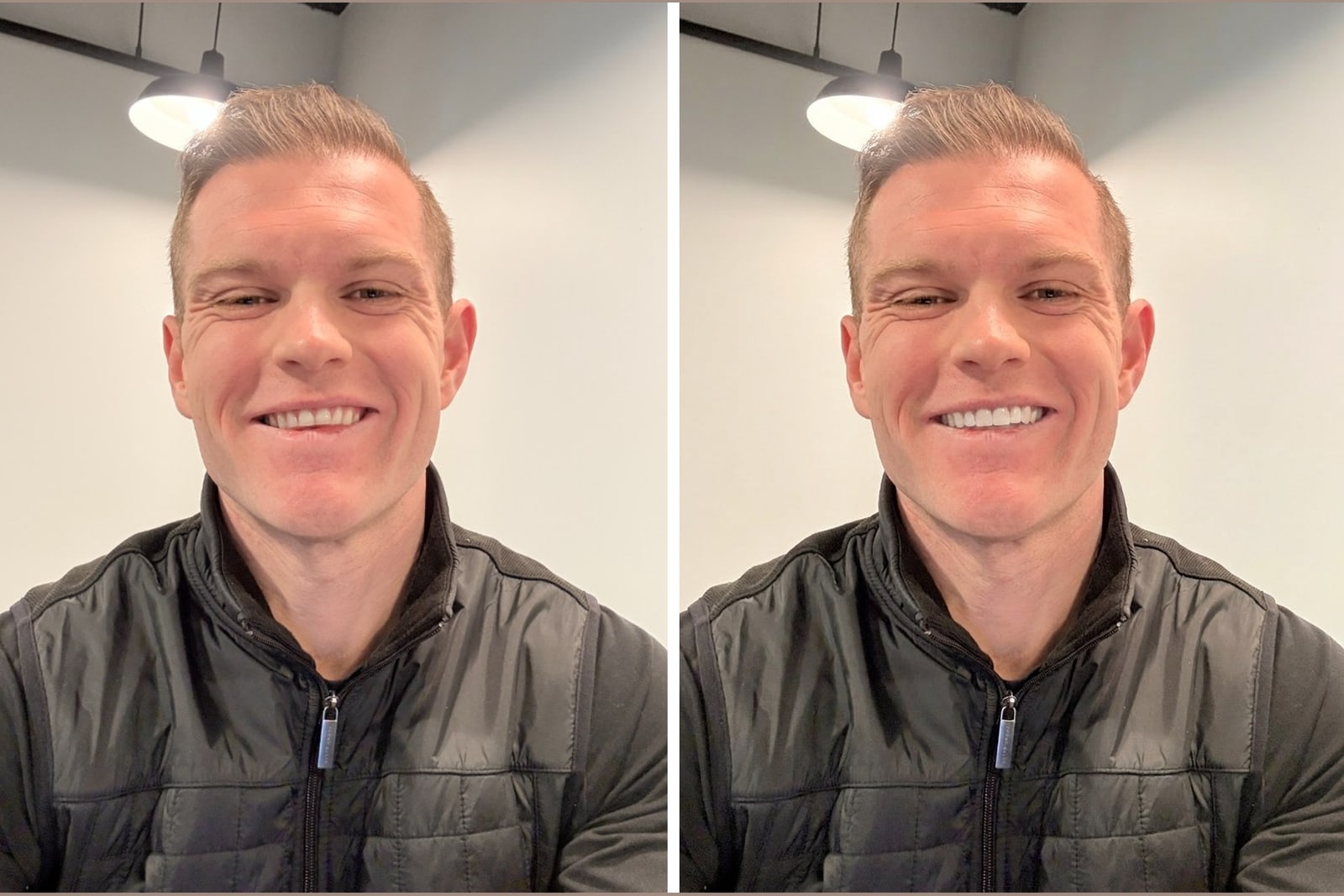
Veneers beat whitening when the stain is deep inside the tooth, uneven across your smile, or a type that bleach cannot reach. Whitening works on the outer layer and lifts stains from coffee, tea, wine, and age. It cannot fix discoloration that lives in the structure of the tooth. That is where a veneer covers the color instead of trying to lighten it.
If your stains are surface level and even, whitening is the cheaper first step. If they are stubborn, patchy, or one tooth is much darker than the rest, a veneer gives a single, consistent color. For a full side by side, read veneers vs whitening: which fixes your smile.
Which stains do not respond to whitening?
Some stains sit too deep for bleach to lift, so covering them is the dependable answer. These are the discoloration types that push people toward veneers instead of whitening.
| Stain type | What causes it | Whitening result | Veneer result |
|---|---|---|---|
| Tetracycline banding | Antibiotic taken during tooth development | Little change, gray or blue bands remain | Fully covered with even color |
| Fluorosis | Too much fluoride while teeth formed | White or brown mottling stays | Uniform surface and shade |
| Dead or root treated tooth | Trauma or nerve loss darkens one tooth | Single tooth stays gray | Matched to neighbors |
| Deep intrinsic yellowing | Age and enamel thinning | Partial, uneven lift | Consistent chosen shade |
| Surface stains from coffee or wine | Food, drink, tobacco | Responds well | Also works but often not needed |
For the last row, whitening is the sensible starting point. For the rows above it, bleach fights a battle it tends to lose, and a veneer solves it in one consistent color.
How is the shade chosen to look natural?
The shade is chosen to fit your skin tone, your other teeth, and the whites of your eyes, not to be the brightest option available. A shade that fights the rest of your face reads as fake. A shade that sits a step or two brighter than your natural teeth reads as a healthy, real smile. This matters more with stained teeth, because the jump from dark to bright can be tempting to overdo.
Veneerly offers six shades from Natural Ivory (A1) to Ultra White (BL1). If you are covering deep staining, a mid range shade often looks more believable than the whitest one. See how each level reads in the veneer shades guide.
Natural white versus too white
Natural white keeps warmth in the color so it blends with your face. Too white is a shade that looks brighter than any tooth naturally appears, which draws attention to the veneers rather than the smile. Someone with fair skin can carry a brighter shade. Warmer skin tones tend to look more natural a step down from maximum white.
Can you cover just one stained tooth?
Yes, a single dark tooth can be covered, but matching one veneer to your natural teeth is harder than doing several. A dead or root treated tooth that has gone gray is a common single tooth case. The veneer has to match the color, translucency, and surface of the teeth beside it, so the shade choice is precise. Previewing the color first removes the guesswork before anything is made.
How to preview a shade for stained teeth
The fastest way to decide between natural and bright is to see the shades on your own smile rather than picture them. Veneerly renders ten designs across five styles in about 60 seconds from one front facing photo. Only the teeth change, so you compare shade choices on your real face.
- Take a clear, front facing photo in even light with your teeth showing.
- Upload it to Veneerly and pick a style that keeps your natural shape if you want the covering to look believable.
- Compare shades from Natural Ivory (A1) up to Ultra White (BL1) on the stained areas.
- Choose the shade that brightens your smile without looking brighter than a real tooth ever does.
It is a one time payment from 39 dollars, so you can test natural versus bright before you talk to a dentist about permanent work.
Frequently asked questions
Are veneers better than whitening for stained teeth?
For deep, uneven, or resistant stains, yes. Whitening lifts surface and mild stains from the outer layer. Veneers cover discoloration that bleach cannot reach, like tetracycline banding, fluorosis, or a single dark tooth, and give one consistent color.
Can veneers cover tetracycline stains?
Yes. Tetracycline banding sits deep in the tooth structure and does not respond well to whitening. A veneer covers the gray or blue bands with an even, chosen shade, which is why veneers are the reliable option for this type of stain.
Will veneers look too white on stained teeth?
Only if the shade is pushed too far. Covering dark stains can tempt people toward the brightest option, but a shade a step or two above your natural color looks more believable. A mid range shade often reads as a healthier real smile than maximum white.
Can you veneer just one discolored tooth?
Yes, and a single gray or dead tooth is a common case. Matching one veneer to the teeth beside it takes precise shade work, so it is harder than doing several. Previewing the color first helps you see whether the match looks right.
Do stained teeth show through veneers?
Quality veneers are designed to block underlying color, though very dark teeth may need thicker or more opaque material to fully cover. This is a case to discuss with a dentist. A preview shows you the target color you are aiming for before any work is done.
See your stained smile with veneers
Upload one photo and compare six shades from Natural Ivory to Ultra White in about 60 seconds. Only the teeth change.
Preview my smile